Step-by-Step House Construction Process in India | Wbdevelopers
22-5-2026
Step-by-Step House Construction in India: Tips for Home Builders
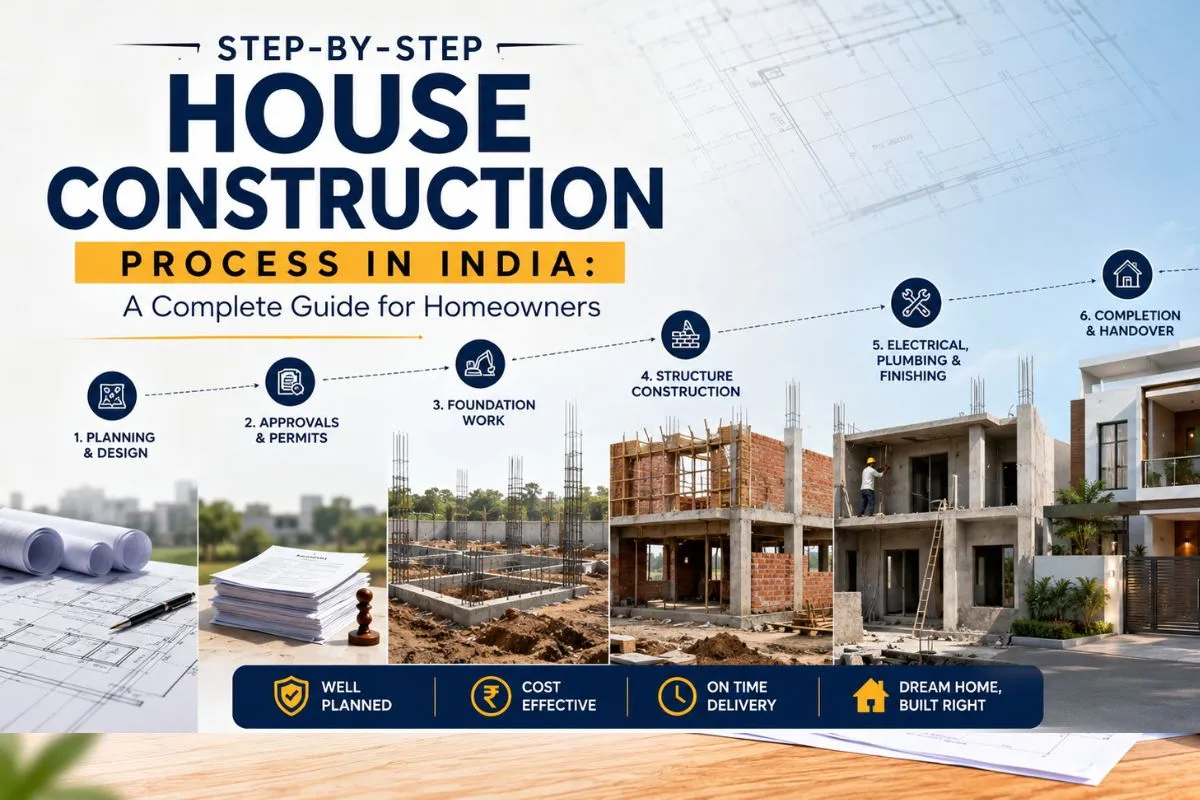
Building a home is more than a construction project; it is a long-term investment filled with emotions, planning, and important decisions. Across India, homeowners are increasingly focusing on quality construction, smart layouts, energy efficiency, and legal compliance before starting their dream home journey. This is why choosing experienced builders in India and understanding every stage of construction has become essential today.
From budget planning to final handover, every step directly affects the durability, comfort, and value of a house. Companies like Webuild Developers continue contributing to modern residential construction by supporting structured planning, quality execution, and professionally managed building solutions suited to evolving homeowner expectations.
Understanding the Indian House Construction Industry
India’s residential construction sector has changed significantly over the last decade. Modern homeowners are no longer looking only for attractive designs; they also expect:
- Structural durability
- Sustainable construction methods
- Better space utilization
- Legal transparency
- Modern infrastructure standards
The rise of urban development, smart homes, and changing lifestyle preferences has increased demand for reliable builders in India who can manage projects efficiently from concept to completion.
At the same time, construction rules, material costs, and approval procedures vary across states, making professional planning extremely important before beginning any project.
Important Factors Affecting House Construction in India
- Local climate conditions
- Soil strength and land quality
- Material availability
- Labor costs
- Government regulations
- Project location
- Transportation access
Ignoring these elements during the planning stage often leads to budget overruns and construction delays.
Budget Planning and Financial Preparation
A clear budget forms the backbone of every successful construction project. Many homeowners underestimate hidden expenses and end up facing financial pressure midway through construction.
Before starting, divide the budget into multiple categories:
- Land purchase
- Design and architectural fees
- Government approvals
- Foundation and structural work
- Electrical and plumbing
- Interior finishing
- Contingency expenses
Smart Financial Planning Tips
- Keep at least 10–15% extra for unexpected costs
- Compare material rates before purchasing
- Avoid frequent design changes during construction
- Track labor expenses regularly
- Choose quality materials for long-term savings
Experienced builders in India usually prepare detailed project estimates that help homeowners understand realistic construction costs instead of relying on rough assumptions.
Selecting the Right Plot
The success of a house construction project begins with selecting the right land. Even the best home design can face challenges if the plot has poor soil conditions or legal complications.
Things to Check Before Buying a Plot
- Clear legal ownership documents
- Soil condition and land stability
- Proper road access
- Water availability
- Drainage system
- Electricity connection access
- Nearby infrastructure development
Location also plays a major role in future property appreciation. Areas with schools, hospitals, transportation facilities, and commercial growth generally offer better long-term value.
Designing Your Dream Home
Once the plot is finalized, the next stage is designing a home that balances functionality, comfort, and aesthetics.
Modern house designs in India focus on:
- Natural lighting
- Ventilation
- Space optimization
- Energy efficiency
- Future expansion possibilities
An experienced architect studies the plot dimensions, environmental conditions, and family requirements before preparing the layout.
Common Design Mistakes Homeowners Make
- Prioritizing appearance over functionality
- Ignoring storage planning
- Poor ventilation management
- Overcomplicated layouts
- Insufficient electrical planning
Reliable builders in India often work closely with architects and engineers to ensure the design is practical as well as structurally safe.
Getting Government Approvals
Legal approvals are one of the most critical stages in the house construction process in India. Starting construction without proper permissions can create legal complications and penalties later.
Important Documents Required
- Land ownership documents
- Encumbrance certificate
- Building plan approval
- Property tax records
- Structural safety certificate
- Electricity and water connection approvals
Approvals are usually obtained from local municipal corporations, panchayats, or development authorities, depending on the project location.
Why This Step Matters
Proper approvals help ensure:
- Legal safety
- Construction compliance
- Better resale value
- Easier loan approvals
- Future property security
Professional construction companies help homeowners simplify this process by coordinating documentation and approval procedures efficiently.
Site Preparation and Foundation Work
Before the actual structure begins, the construction site must be prepared properly.
This stage includes:
- Land clearing
- Excavation
- Soil testing
- Ground leveling
- Marking structural layout
The foundation is one of the most important parts of a house because it supports the entire structure.
Types of Foundations Commonly Used
- Isolated footing
- Raft foundation
- Pile foundation
- Combined footing
The foundation type depends on soil conditions, load requirements, and building design.
Poor foundation work can cause:
- Wall cracks
- Water seepage
- Structural instability
- Uneven settlement
This is why trusted builders in India pay special attention to soil analysis and engineering calculations before starting foundation work.
Structural Construction
After completing the foundation, the structural framework of the house begins.
This stage includes:
- Column construction
- Beam installation
- Slab casting
- Brickwork
- Roof structure
Quality control becomes extremely important during structural construction because it directly affects the strength and lifespan of the building.
Important Construction Materials Used
- Cement
- Steel reinforcement bars
- Bricks or concrete blocks
- Sand and aggregates
- Waterproofing materials
Practical Construction Tips
- Ensure regular site supervision
- Use tested construction materials
- Follow the curing procedures properly
- Avoid shortcuts in structural work
Choosing experienced builders in India helps reduce construction errors that may become costly in the future.
Plumbing and Electrical Installation
Once the main structure is ready, internal utility systems are installed.
Plumbing Work Includes
- Water supply lines
- Drainage systems
- Bathroom fittings
- Underground piping
- Overhead tank connections
Electrical Installation Includes
- Wiring
- Switchboards
- Power distribution
- Lighting systems
- Safety breakers
Improper installation can create long-term maintenance problems and safety risks.
Common Mistakes to Avoid
- Using low-quality wiring materials
- Poor drainage slope planning
- Insufficient plug points
- Lack of waterproof electrical protection
Modern homeowners also prefer smart home features, energy-saving lighting, and efficient water management systems during this stage.
Interior and Exterior Finishing
This is the stage where the house starts reflecting the homeowner’s personality and lifestyle preferences.
Interior Finishing Includes
- Flooring
- Painting
- False ceiling
- Kitchen installation
- Wardrobes and storage
- Bathroom fixtures
Exterior Finishing Includes
- Exterior painting
- Landscaping
- Compound walls
- Driveways
- Gate installation
A balanced combination of aesthetics and durability is important here. Premium-looking materials may not always be the best option if they require high maintenance later.
Popular Modern Finishing Trends in India
- Minimalist interiors
- Natural textures
- Earth-tone color palettes
- Modular kitchens
- Energy-efficient lighting
Professional builders in India generally recommend materials based on climate suitability, durability, and long-term value rather than temporary trends.
Final Inspection and House Handover
Before moving into the house, a detailed final inspection should be conducted.
Final Checklist Before Handover
- Check wall finishing and paint quality
- Inspect plumbing connections
- Test electrical systems
- Verify door and window fittings
- Ensure waterproofing quality
- Confirm approved design compliance
A proper handover process ensures the homeowner receives all required documentation, warranties, and utility details.
Why Final Inspection Is Important
It helps identify:
- Minor construction defects
- Safety concerns
- Incomplete finishing of work
- Utility issues
This final stage reflects the professionalism and commitment of the construction team handling the project.
Building a Home Requires More Than Just Construction
House construction in India is a carefully coordinated process involving planning, engineering, approvals, budgeting, and execution. Every stage contributes to the safety, comfort, and long-term value of the property.
Whether it is selecting quality materials, managing structural work, or ensuring legal compliance, experienced builders in India play an important role in transforming ideas into well-built living spaces.
As homeowners continue seeking smarter and more reliable construction solutions, companies like Webuild Developers remain part of the evolving residential construction landscape by supporting professionally managed projects focused on quality workmanship and modern building standards.
For anyone planning to begin their dream home journey, understanding the construction process is the first step toward making informed and confident decisions.